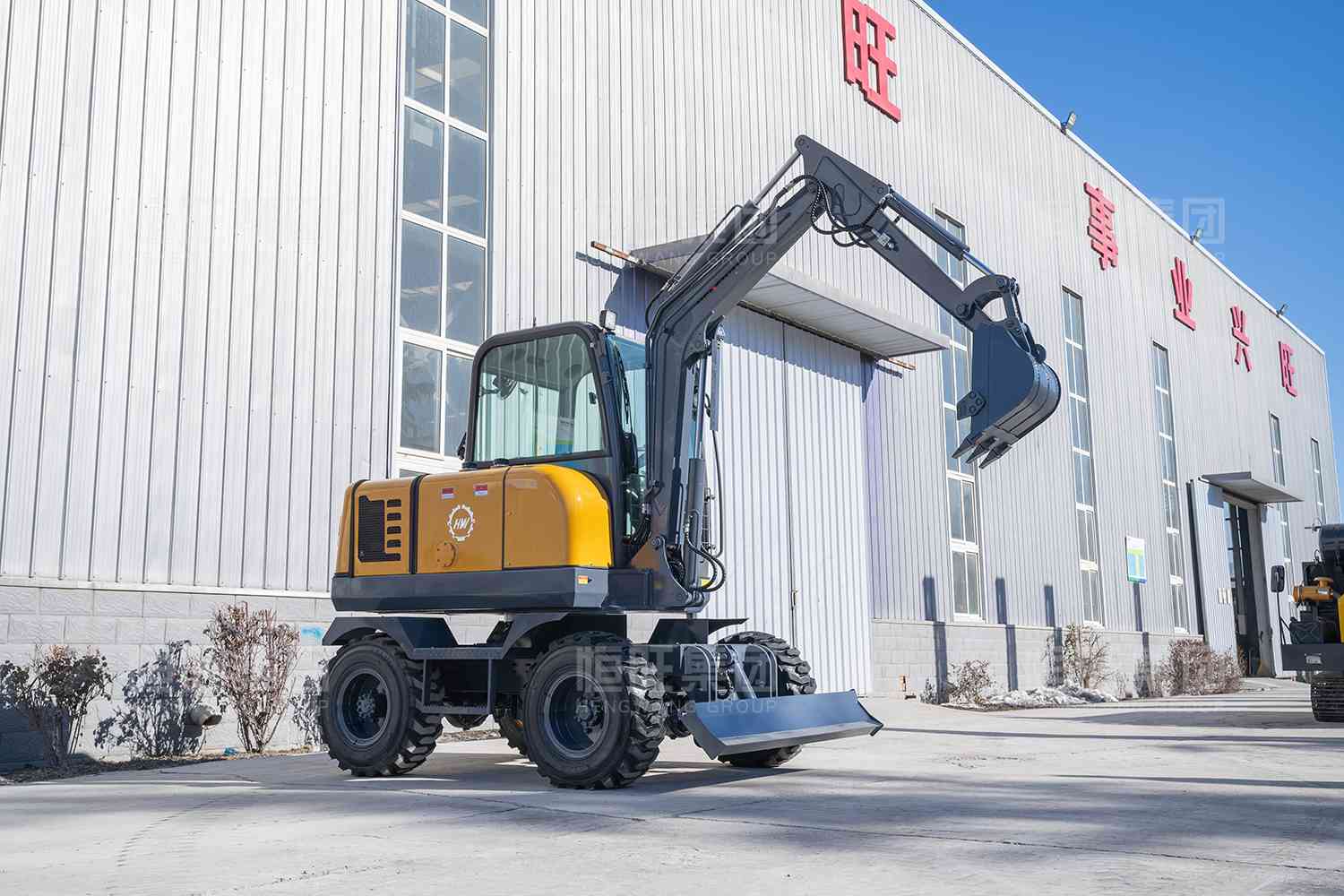
1. Intelligent Energy-Saving Technology
Equipped with adaptive hydraulic regulation systems and power-matching algorithms, these excavators dynamically adjust output based on workload demands, minimizing energy waste. Innovative dual-loop hydraulic architectures recover braking energy, extending operational endurance by converting kinetic energy into stored power.
2. Enhanced Digging Performance
Featuring high-torque hydraulic motors and reinforced boom structures, these machines maintain stable output in rocky or compacted soils. Multi-mode presets enable seamless switching between digging, crushing, and trenching tasks, catering to municipal, agricultural, and construction applications.
3. Digital Control Interface
A full-color interactive display integrates real-time monitoring of hydraulic pressure, temperature, and operational hours. Paired with wireless remote access, operators can adjust parameters and track performance data, ensuring precision in bucket trajectory and motion coordination.
4. Flexible Mobility Design
Compact chassis layouts and zero-radius slewing mechanisms allow 360° turns in confined spaces, ideal for wall-root excavation without machinery repositioning. Quick-change attachment systems enable 30-second swaps between buckets, breakers, and augers, maximizing versatility for grading, lifting, or demolition.
5. Comprehensive Service Support
AI-powered diagnostic platforms and regional rapid-response networks monitor oil temperature, pressure, and component wear in real time. Critical parts adopt corrosion-resistant composite coatings, while preventive maintenance alerts extend service life and reduce downtime.
Conclusion
Compact hydraulic excavators excel in maneuverability, multifunctionality, and adaptability, making them indispensable for modern engineering. Prioritize hydraulic efficiency, attachment compatibility, and service networks to maximize operational value across projects.